A good shelter can make the difference between a miserable night outdoors and a manageable one. Some take a few branches and a little planning. Others require specialized skills, the right conditions, and plenty of practice.
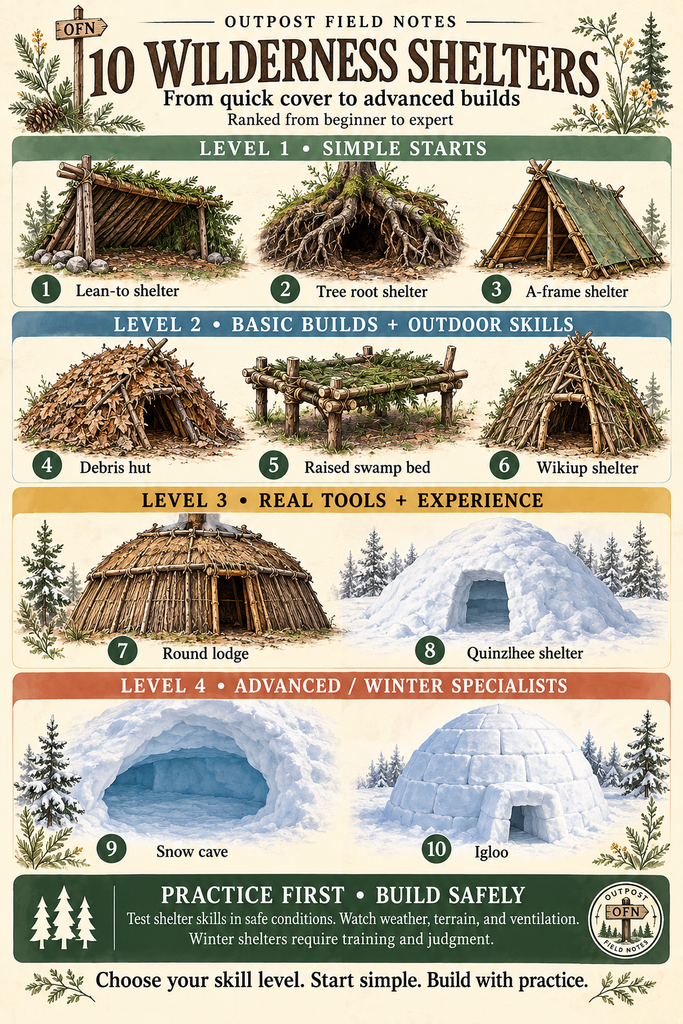
Here are 10 wilderness shelters worth knowing, ranked from beginner-friendly to expert-level.
The difficulty ratings reflect the skills, tools, time, and judgment needed to build each shelter. They are relative ratings, not guarantees of safety.
01 / BEGINNER
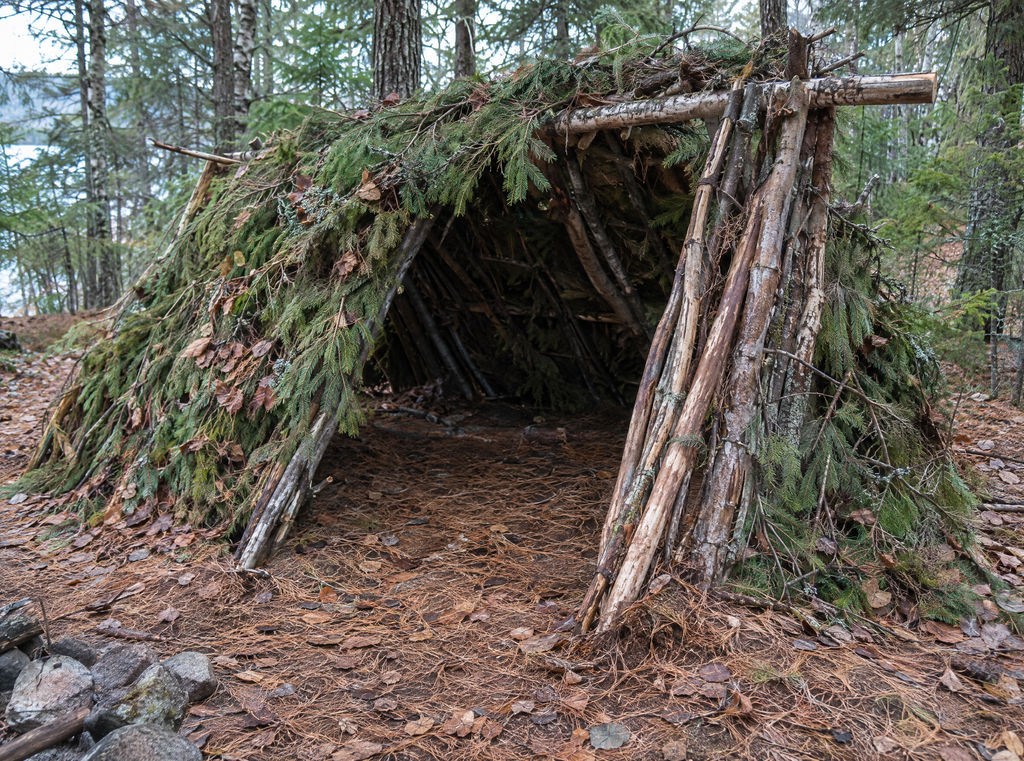
Lean-To Shelter
Difficulty: 1/5
The classic starting point. A sloping roof of branches or a tarp provides basic protection from wind and rain on one side. Quick to assemble and easy to understand.
Best for: Mild weather and short-term shelter.
02 / BEGINNER
Tree Root Shelter
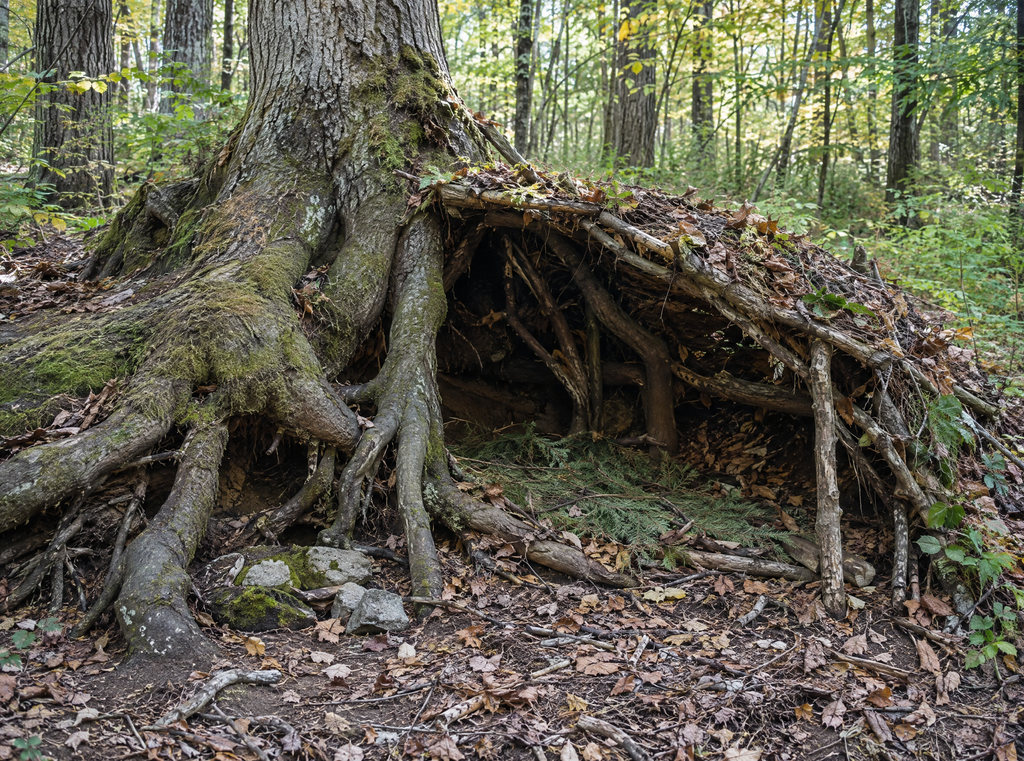
Difficulty: 1/5
Sometimes nature has already done part of the work. A sheltered hollow beneath exposed tree roots can block wind with minimal construction.
Best for: Temporary protection where stable, safe natural cover exists.
03 / BEGINNER TO INTERMEDIATE
A-Frame Shelter
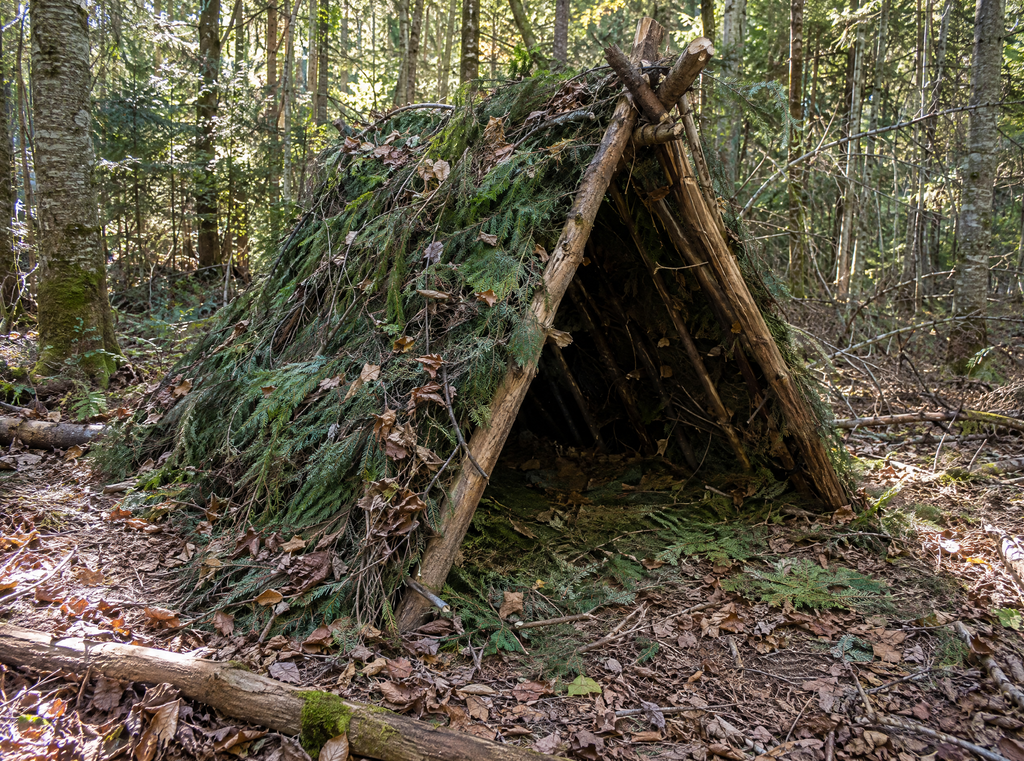
Difficulty: 2/5
Two sloping sides create a simple, enclosed space. Branches form the frame, while leaves or other suitable materials help shed wind and rain.
Best for: Cooler, wetter conditions where a lean-to offers too little coverage.
04 / INTERMEDIATE
Debris Hut
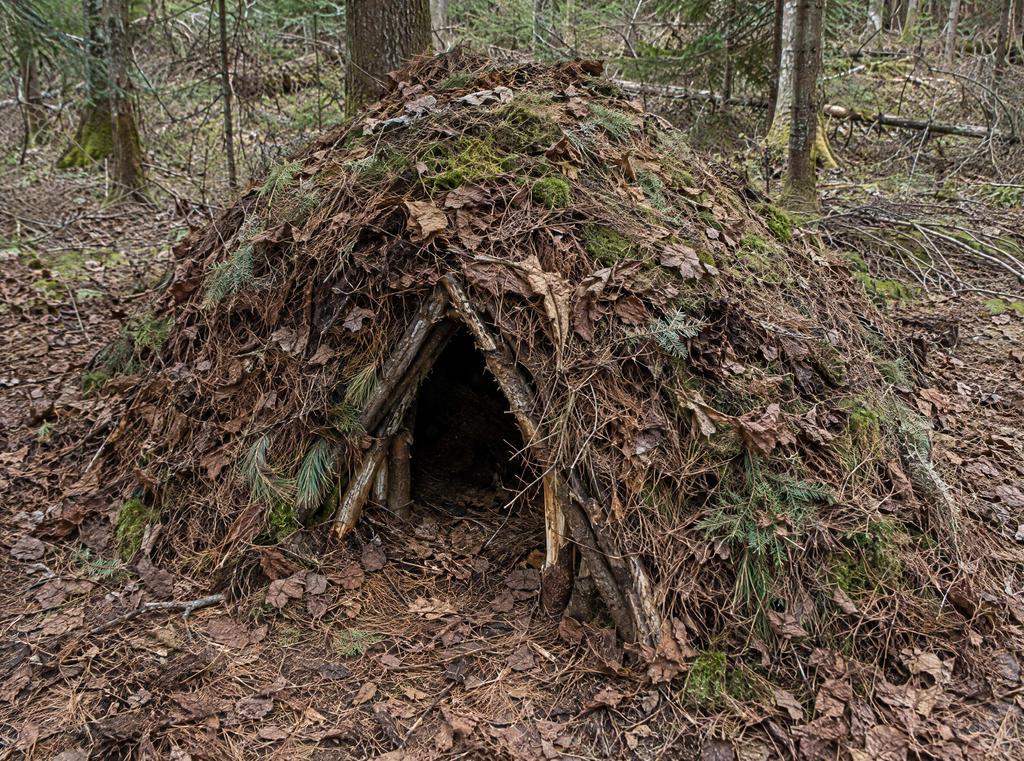
Difficulty: 2/5
Think of this as a small sleeping space surrounded by a thick blanket of natural material. Dry leaves and branches provide insulation when properly arranged.
Best for: Cold conditions when dry natural insulation is plentiful.
05 / INTERMEDIATE
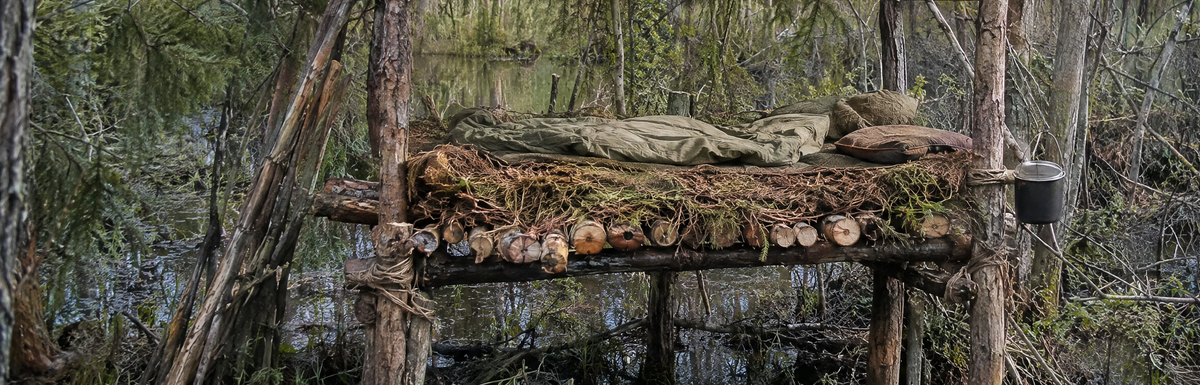
Raised Swamp Bed
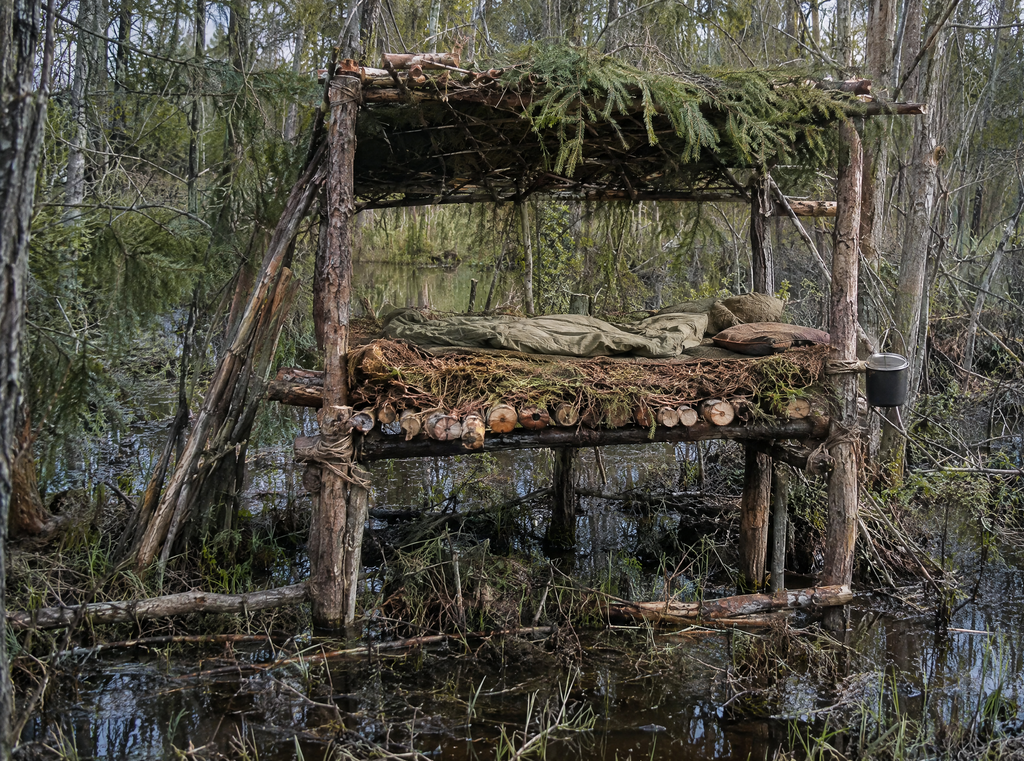
Difficulty: 3/5
Wet ground pulls warmth from your body. A raised platform made from sturdy branches helps keep your sleeping area above mud and standing water.
Best for: Damp ground where staying elevated matters. Requires separate overhead weather protection.
06 / INTERMEDIATE
Wickiup Shelter
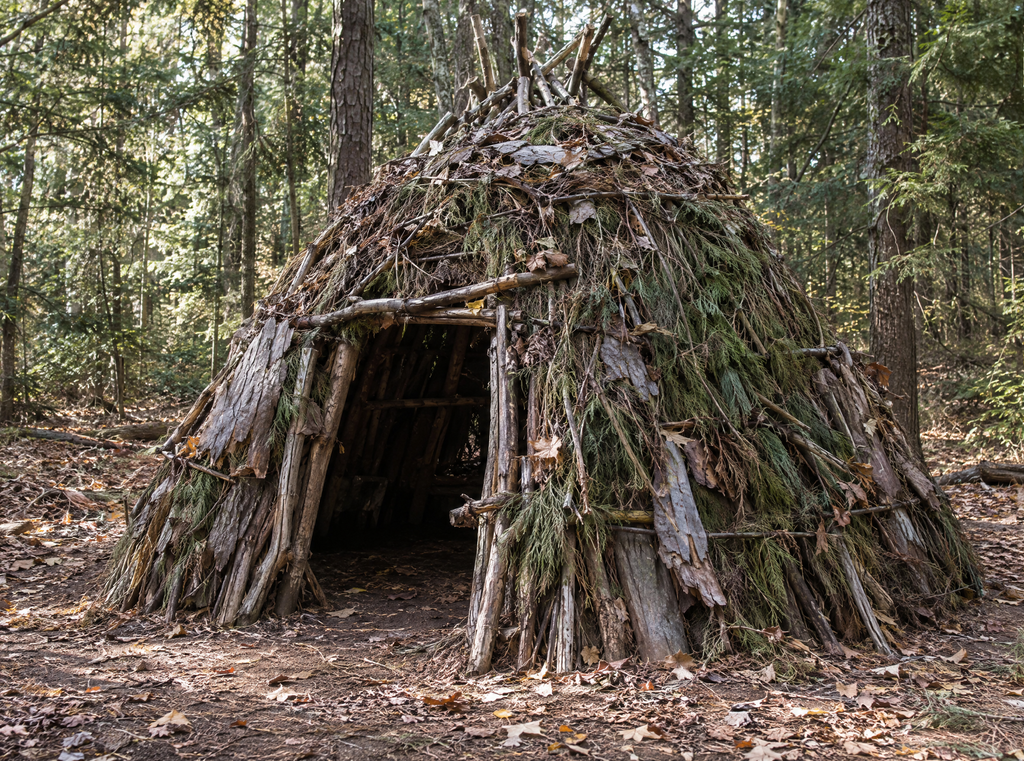
Difficulty: 3/5
A rounded or conical framework of poles covered with natural materials. More enclosed than a lean-to, but it takes considerably more time and materials.
Best for: Longer stays when natural building materials are abundant.
07 / ADVANCED
Round Lodge
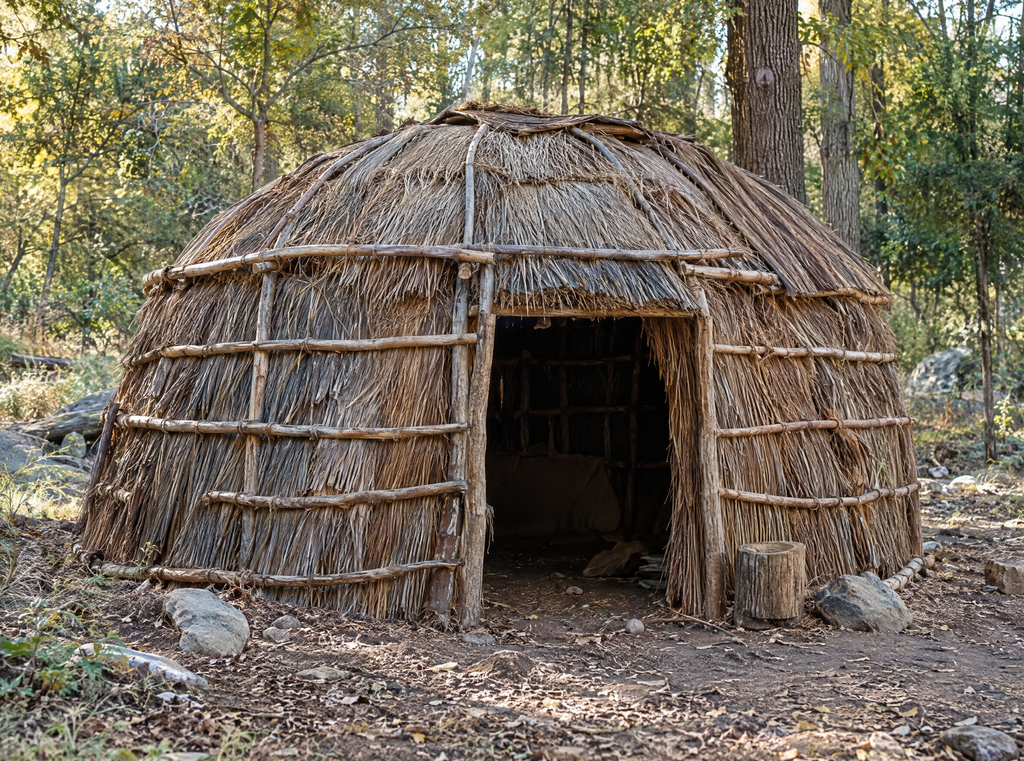
Difficulty: 4/5
A compact, enclosed shelter with a sturdy framework and layered natural covering. The low profile can help reduce wind exposure when properly built.
Best for: Extended stays where a more substantial shelter is needed.
08 / ADVANCED
Quinzhee Snow Shelter
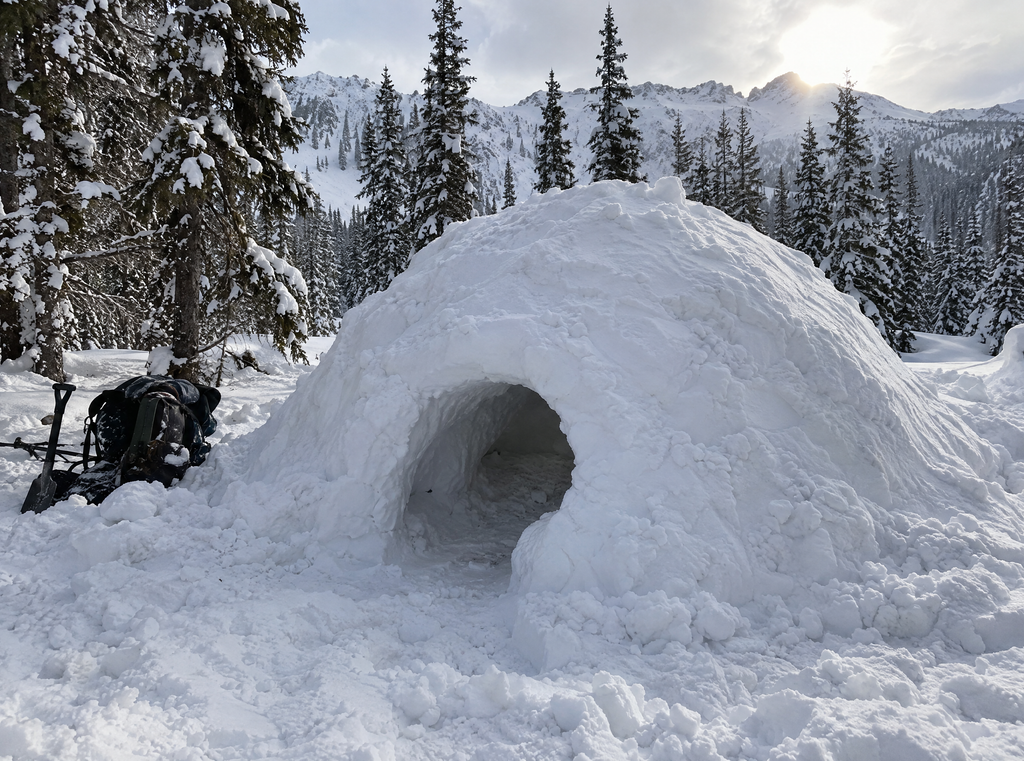
Difficulty: 4/5
A large mound of compacted snow is allowed to settle, then carefully hollowed out to create an insulated chamber.
Best for: Winter conditions with suitable snow. Collapse and ventilation risks make training essential.
09 / EXPERT
Snow Cave
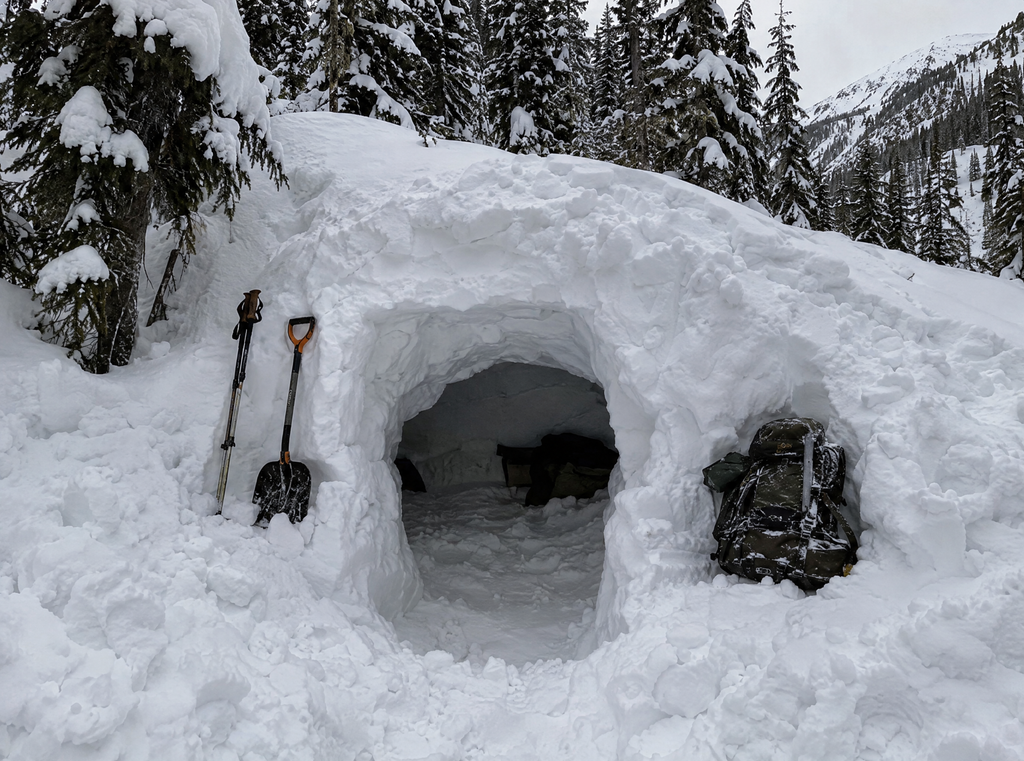
Difficulty: 5/5
Carved into deep, stable snow, a snow cave can provide protection from severe winter weather. Snow stability, ventilation, and safe excavation are critical.
Best for: Specialized winter survival situations with proper training.
10 / EXPERT
Igloo
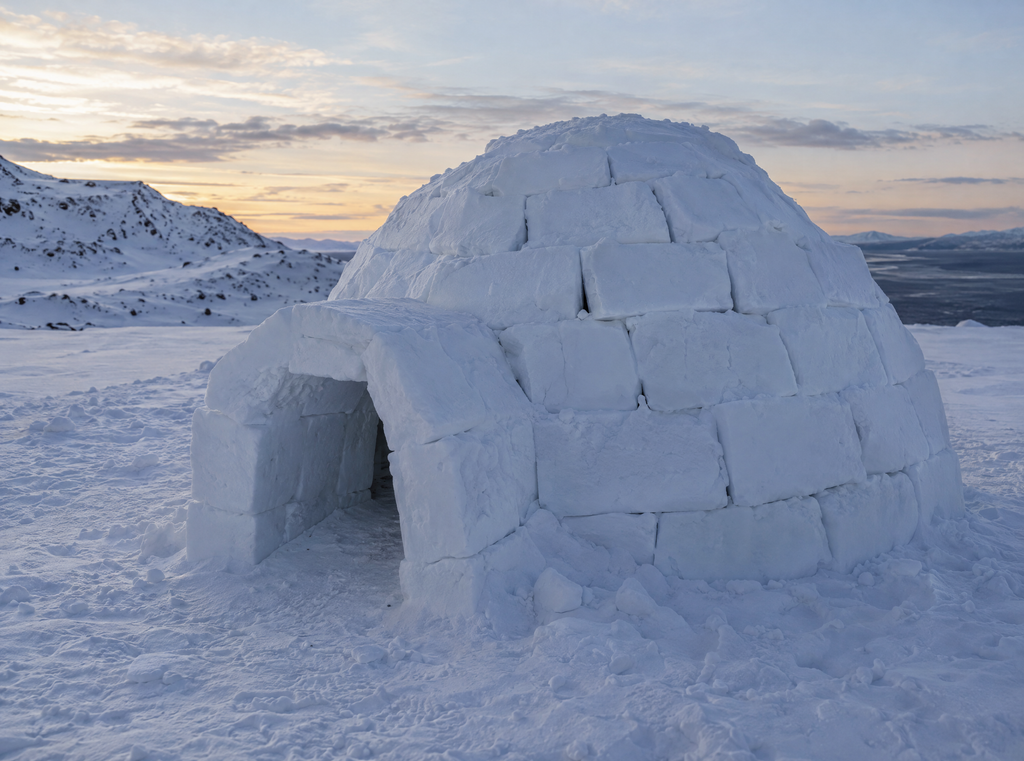
Difficulty: 5/5
A carefully constructed dome of shaped snow blocks. Building one requires suitable snow, specialized technique, and an understanding of structural stability.
Best for: Experienced winter travelers with the right tools, training, and conditions.
THE FIELD NOTE
The best shelter is the one you can build safely with the materials, time, and skills available. A simple, well-placed shelter can outperform a complicated one built poorly.
Practice shelter-building in safe conditions before relying on these techniques. Avoid unstable trees, flood-prone ground, and unsafe snow structures. Never assume a shelter is safe for an indoor fire or stove.